
Fill in the form to see the minimum ramp length you need.
Modular Wheelchair Ramps
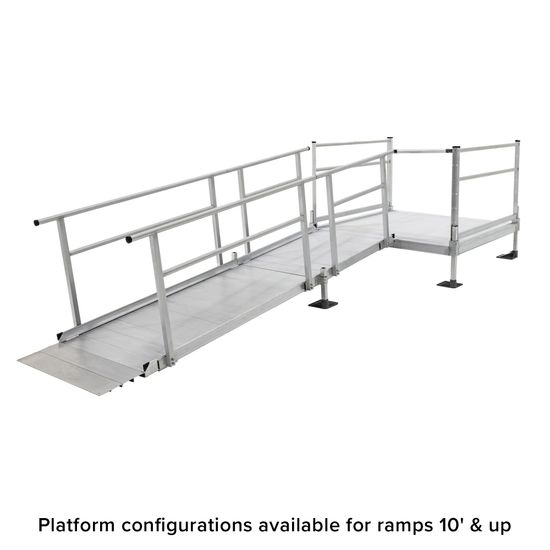
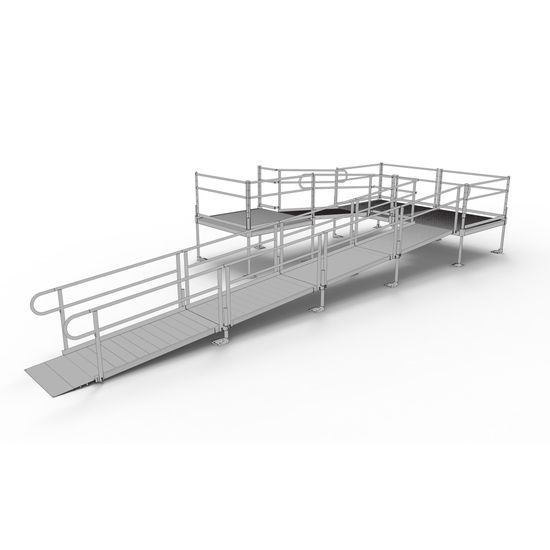



When you need a wheelchair ramp solution that’s tailored to your space, Mobility Mart's modular ramp systems are here to help. These all-in-one packages from brand names such as Silver Spring, PVI and EZ ACCESS are designed to create permanent or temporary access in your home or business. Manufactured from high-strength, lightweight aluminum, they are low-to-no maintenance and have the ability to be moved or reconfigured easily to meet your changing needs.
We Are Here to Help
If you would like assistance in placing an order, or have questions about our ramps or your specific location, please give you our friendly, experienced team members a call at (888) 651-3431. We would love to help you find the perfect ramp for your needs.
For general information on modular ramps, read How to Buy a Modular Ramp System.
All-in-One Wheelchair Ramp Packages
Our modular ramp systems include everything you need to install your ramp, including:
- Ramps
- Stairs (if selected)
- Platform sections (if selected)
- Handrails (if selected)
- Hardware and/or connectors
ADA Compliance Requirements
ADA-compliance is required for businesses and optional for private residences. The biggest benefit of following ADA guidelines at your home is that they are intentional set to create an optimal gradient and safest way to create handicap accessibility. Although not comprehensive, here’s a brief overview of some of key requirements:
- Every one inch of vertical rise requires one foot of ramp length
- Handrails are required on ramps with a rise of 6" or more
- Ramps should be a minimum of 36" wide to accommodate occupied mobility devices
- A level landing is necessary at the accessible door so there is room to pause and open or close the door
- Landings exposed to the elements must be designed to prevent water accumulation to reduce slip hazards
Frequently Asked Questions About Modular Wheelchair Ramps
How Long Should My Wheelchair Ramp Be?
The length of a wheelchair ramp depends on the height of the entrance you need to access. In most residential situations, a 1:12 slope is recommended, which means that for every inch of rise, you'll typically need about one foot of ramp. For example, if your doorway is 24" above ground level, a ramp around 24' long is often recommended.
Because every home is different, many modular wheelchair ramps can be customized using ramp sections and platforms to create a layout that fits your available space while maintaining a safe, comfortable slope. If you're unsure which ramp length is right for your home, our accessibility specialists are always happy to help guide you through the process and answer any questions. Call us at (888) 651-3431 or contact us for help planning a layout.
What Wheelchair Ramp Slope Do I Need?
Choosing the right slope is one of the most important factors in creating a safe and comfortable ramp. For most homes, a 1:12 slope is considered the preferred standard because it provides a gentler incline that is easier to navigate for wheelchair users, scooter users, and caregivers assisting a loved one.
While steeper slopes may sometimes be used when space is limited, a gradual incline generally offers a more comfortable experience and can help reduce effort during daily use. Finding the right slope can make entering and leaving your home feel safer and more manageable.
How Do I Measure for a Wheelchair Ramp?
The first step is measuring the vertical rise from the ground to the top of your doorway threshold or landing. This measurement helps determine the ramp length needed for safe access.
It's also helpful to consider the space available around your home, including sidewalks, landscaping, driveways, and other features that may affect the layout. Because modular ramps can be configured in many different ways, they can often be designed to fit properties where a straight ramp may not be practical. For additional guidance, you can use our ramp layout worksheet to sketch your space and explore potential configurations.
Are Modular Ramps Permanent?
Modular wheelchair ramps are designed to provide a long-term accessibility solution without requiring the permanent construction associated with concrete ramps. Most systems are freestanding and can be adjusted or modified if your needs change over time.
Many homeowners appreciate the flexibility of a modular ramp because it provides dependable access while preserving future options for their property.
Can I Move a Modular Ramp Later?
Yes. One of the advantages of a modular aluminum ramp is that it can often be relocated if circumstances change. If you move to a new home or need access at a different entrance, the ramp can typically be disassembled and reassembled in its new location.
For many families, it's reassuring to know that the investment they've made in accessibility can continue to serve them in the future.
Can I Add Sections to My Ramp Later?
In many cases, yes. Modular wheelchair ramps are built using individual sections, platforms, and accessories that work together to create a customized layout.
If your accessibility needs change down the road, it may be possible to add additional ramp sections, extend the overall length, or modify the configuration. This flexibility allows many homeowners to adapt their ramp over time rather than replacing the entire system.
Do Modular Ramps Require Concrete?
Most modular wheelchair ramp systems are designed to be installed without pouring a concrete foundation. Adjustable support legs and anchoring systems allow the ramp to be securely installed on a variety of surfaces while maintaining stability and safety.
This can make installation faster, less disruptive, and often more affordable than building a traditional concrete ramp.
Will a Modular Ramp Work on Uneven Ground?
Often, yes. Many modular wheelchair ramps are specifically designed to accommodate uneven terrain and changing elevations.
Adjustable support legs allow the system to be leveled and secured even when the ground isn't perfectly flat. Whether your property has a gentle slope or more challenging grade changes, a modular ramp can often be configured to provide a safe path to your entryway.
How Much Weight Can a Modular Ramp Hold?
Weight capacity varies by ramp model, but many modular wheelchair ramp systems are designed to support everyday residential use, including wheelchairs, power chairs, mobility scooters, caregivers, and other household traffic.
Many systems are rated for approximately 850 pounds lbs. or more, while some aluminum ramp models support up to 1,000 poundslbs. We always recommend reviewing the specifications for the specific ramp you're considering to ensure it meets your needs.
Can I Install It Myself?
Many modular ramps are designed for assembly using common tools and can be installed by experienced homeowners. Because some ramp components are large and heavy, installation is typically easier with the help of family members or friends.
For larger or more complex layouts, professional installation may offer additional peace of mind and help ensure the ramp is installed correctly for safe, long-term use.
How Long Does Installation Take?
One of the benefits of modular wheelchair ramps is that they can often be installed much more quickly than a custom-built wood or concrete ramp.
The exact installation time depends on the size and complexity of the layout, but many residential ramp projects can be completed within a single day. Once installation is finished, the ramp is generally ready to use right away, helping restore safe access to the home as quickly as possible.
Are Handrails Included?
Handrail availability depends on the ramp system you choose. Some wheelchair ramp packages include handrails as part of the complete system, while others offer them as compatible accessories.
Handrails can provide added stability and confidence for many users, especially when navigating longer ramps or changing weather conditions. If you're unsure which option is best for your situation, our team can help you compare available systems and accessories.
Are Modular Wheelchair Ramps Safe in Rain, Snow, and Ice?
Yes. Aluminum wheelchair ramps are designed for outdoor use throughout the year and are built to withstand changing weather conditions.
Many models feature textured, slip-resistant surfaces that help improve traction during rain and other wet conditions. During winter weather, regular snow and ice removal is still recommended to help maintain the safest possible walking surface. For families living in areas with seasonal weather changes, aluminum ramps offer a durable and dependable accessibility solution.
How Quickly Can My Ramp Be Delivered?
We understand that accessibility needs are often time-sensitive, and many customers are looking for a solution as soon as possible.
Shipping times vary depending on the ramp system and size ordered. Some ramps are available to ship within just a few business days, while larger modular systems may require additional processing and freight transit time. Product pages provide the most current shipping information, and our team is always available to help if you have a specific timeline in mind.
Do Modular Wheelchair Ramps Come With a Warranty?
Yes. Our modular wheelchair ramps are backed by manufacturer warranties designed to provide added confidence in your purchase.
Warranty coverage varies by product and manufacturer, with some systems offering one-year coverage and others providing longer-term protection. We encourage customers to review the warranty details listed on each product page and consult our Warranty Policy for complete information.