
Finding the Right Path: A Comprehensive Guide to Aluminum Outdoor Wheelchair Ramps
Navigating a change in mobility, whether for yourself or a loved one, often comes with a wave of new decisions to make. Suddenly, the spaces that once felt familiar might require a few adjustments to remain accessible and welcoming. If you are exploring ways to make your home easier to enter and exit, you are likely looking at outdoor wheelchair ramps. With so many mobility products available, it is completely normal to feel overwhelmed. Many ramps look similar at first glance, but the materials, design, and installation processes can vary greatly.
According to the Centers for Disease Control and Prevention, more than 1 in 4 U.S. adults live with a disability, and mobility-related limitations such as difficulty walking or climbing stairs are among the most common challenges reported. Creating safe, accessible home entryways can play an important role in helping individuals maintain independence and safely navigate their daily routines. Creating a safe, reliable pathway into your home is a beautiful step toward maintaining independence and ease of movement for individuals who use wheelchairs or other mobility devices. Among the most popular and practical solutions available today are aluminum wheelchair ramps. By taking a close look at wheelchair ramp materials, safety features, installation options, and budget considerations, you can feel confident in selecting a solution that brings peace of mind to your everyday life.

Comparing Wheelchair Ramp Materials: Why Aluminum Stands Out
When you begin searching for an outdoor ramp, you will generally find three main wheelchair ramp materials: wood, concrete, and aluminum. Each material has its place, but evaluating how they hold up to daily life and weather conditions is essential for making a long-term investment.
Wooden ramps have a traditional look and can be painted to match a home. However, wood is naturally porous. Even when pressure-treated, a wooden ramp requires constant upkeep. You must regularly seal, stain, or paint the wood to prevent warping, rotting, and splintering. Over time, moisture from rain and snow can cause wood to deteriorate, creating potential safety hazards.
Concrete ramps offer incredible permanence and high weight capacity, but they represent a major, costly construction project. Building a concrete ramp requires permits, professional excavation, and weeks of curing. Once poured, a concrete ramp cannot be moved or adjusted.
This is where aluminum wheelchair ramps truly shine. Aluminum is inherently lightweight, remarkably durable, and virtually maintenance-free. Because it is a high-strength metal, an aluminum ramp can safely support substantial weight capacities while remaining cost-effective. Best of all, aluminum is naturally weather-resistant. Unlike steel, which requires heavy powder-coating to prevent degradation, aluminum forms its own protective barrier against the elements, making it the premier choice for rust-resistant wheelchair ramps.
The Value of Rust-Resistant Wheelchair Ramps
When a ramp is installed outdoors, it must withstand sun, rain, snow, and varying temperatures. Rust-resistant wheelchair ramps made from aluminum take the worry out of seasonal changes. You will not have to spend your weekends sanding away rust spots or applying anti-corrosion sprays. A high-quality aluminum wheelchair ramp system simply requires an occasional wash with mild soap and water to keep it looking clean and functioning perfectly. This low-maintenance quality is especially comforting for those who want a reliable, safe path without the burden of ongoing chores.
Finding Your Fit: Portable vs. Modular Aluminum Ramps
Every home is different, and the mobility needs of every individual are unique. Fortunately, aluminum ramps come in a variety of styles to suit different entryways, travel needs, and structural layouts.
Portable Wheelchair Ramps
For those seeking a lightweight, on-the-go option, portable ramps are a wonderful solution. These ramps are designed for ease of installation and transport.
Threshold Ramps:
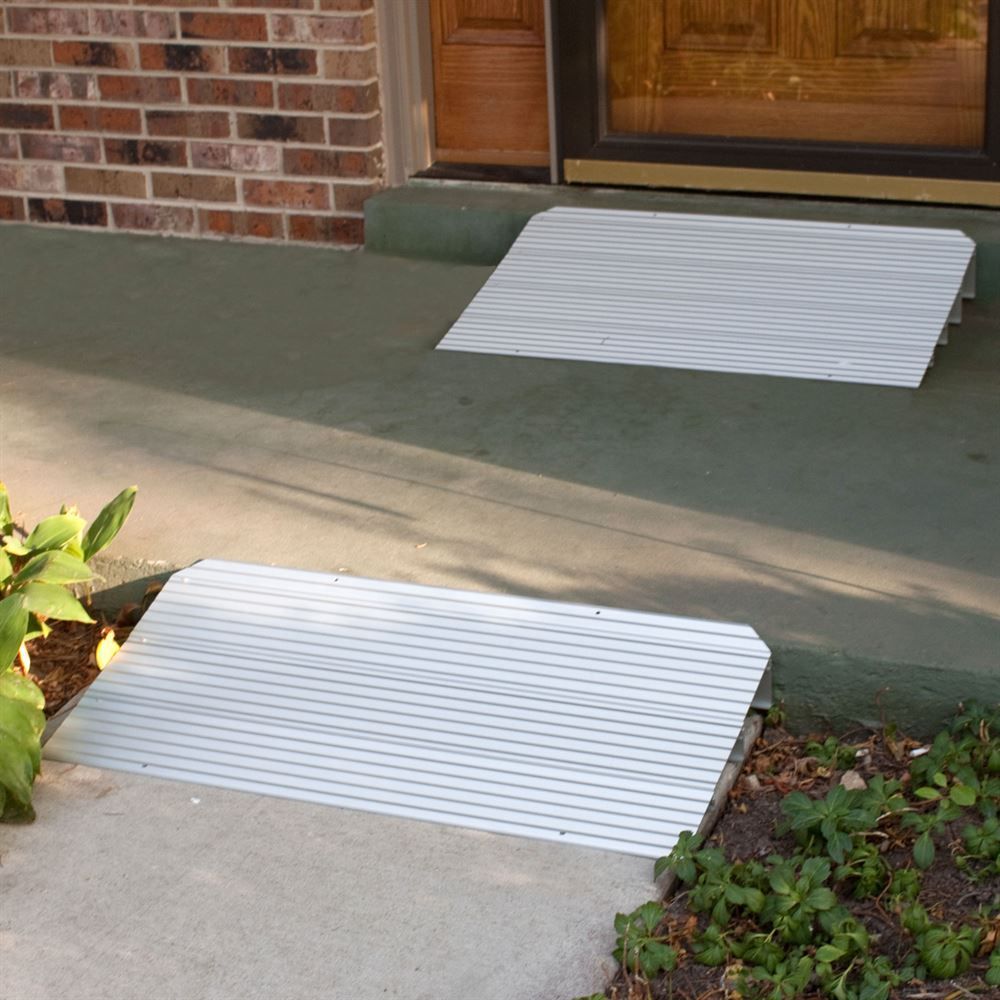
These are small, specialized ramps designed to bridge minor height differences, such as a raised doorway lip or a single low step. A threshold ramp made of aluminum, such as the Silver Spring Aluminum Modular Threshold Ramp, is sturdy enough to stay in place permanently, yet lightweight enough to move if you are traveling to visit family.
Multi-fold and Suitcase Ramps:

If you need to navigate a few steps or load a mobility device into a vehicle, multi-fold portable ramps are incredibly helpful. They fold down into a compact size, often featuring a carrying handle. Their aluminum construction ensures they remain light enough for a caregiver to lift, carry, and set up in a matter of minutes.
Modular Wheelchair Ramps
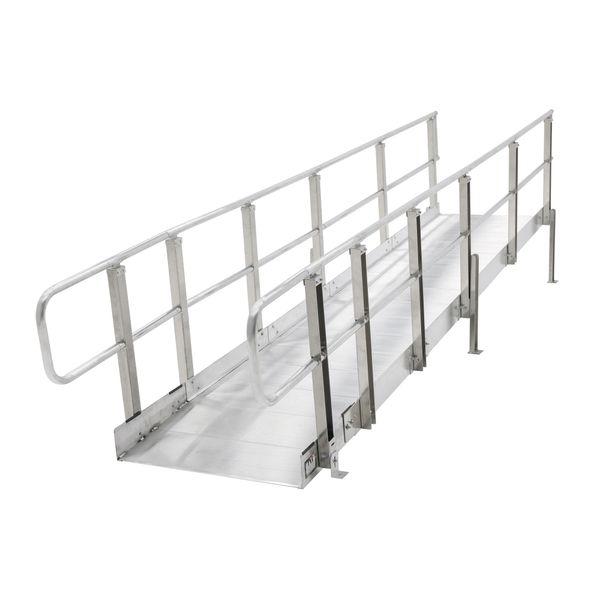
When you need to cover a larger elevation change, such as a tall front porch or a deck, a modular wheelchair ramp is the most practical choice. A modular ramp system, such as the PVI Modular XP Aluminum Wheelchair Ramp System, consists of interchangeable ramp sections, platforms, and handrails that fit together seamlessly.
The beauty of a modular aluminum ramp is its flexibility. Because it is assembled from prefabricated pieces, installation usually takes just a few hours rather than days or weeks. There is no need to dig up your landscaping or pour concrete footings. Furthermore, if you ever move to a new home, a modular system can often be disassembled, transported, and reconfigured to fit your new space. This makes it an incredibly cost-effective, long-term solution. If you're unsure which configuration will work best for your home's layout and elevation requirements, our guide on how to choose a modular wheelchair ramp can help you compare options and determine the right solution for your needs.
Safety and Peace of Mind: Traction, Handrails, and Guidelines
The most important aspect of any mobility product is the safety it provides to the person using it. Aluminum outdoor wheelchair ramps are engineered with precise safety features that provide confidence with every use.
Slip-Resistant Surfaces
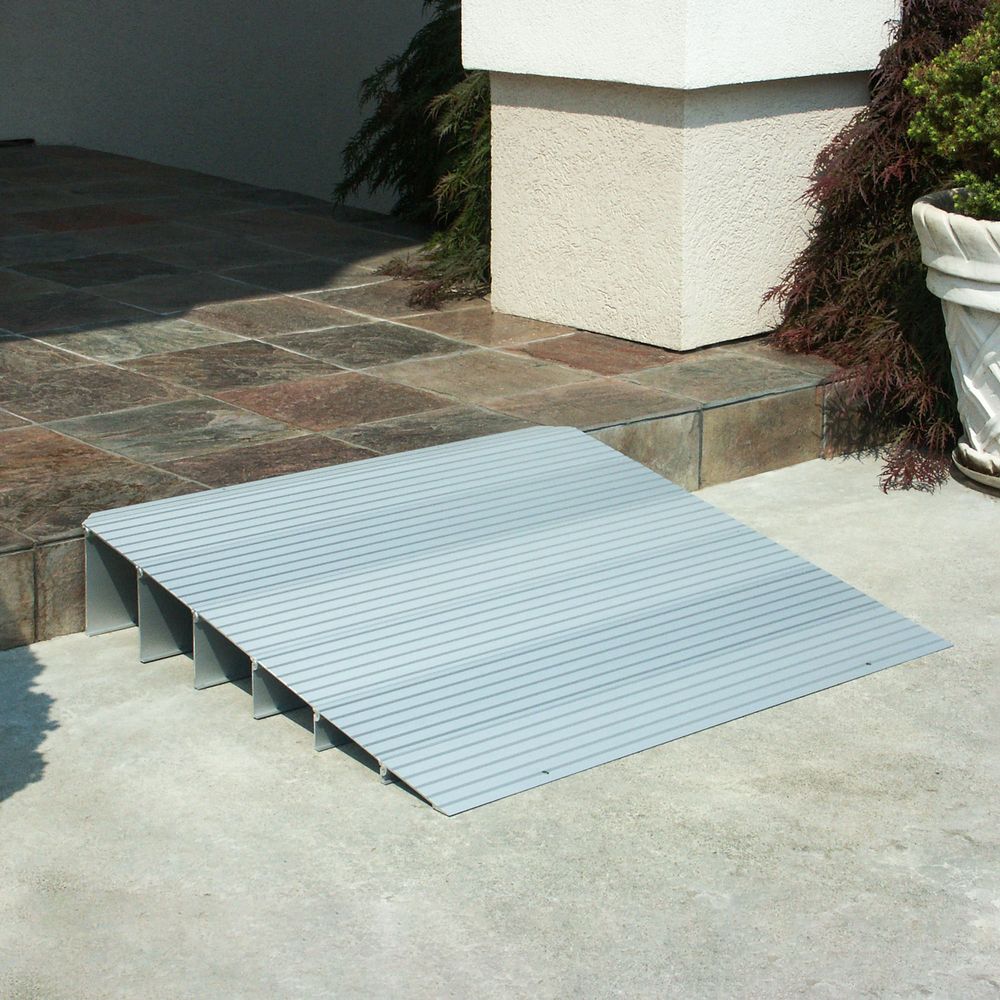
Outdoor environments inevitably introduce moisture, whether from a gentle morning dew or a heavy rainstorm. It is crucial that the ramp's surface remains safe to navigate in all conditions. High-quality aluminum ramps feature slip-resistant, anti-slip surfaces, such as the extruded traction design found on the EZ-ACCESS TRANSITIONS Aluminum Modular Threshold Ramp. This is often achieved through an extruded tread pattern directly in the aluminum or a specialized grit-coat finish. This texture ensures that mobility device tires securely grip the ramp, and that caregivers walking alongside have a stable footing.
Handrails and Edges

When evaluating a modular wheelchair ramp, always look at the handrails. Sturdy, continuous handrails are vital for providing physical support and a sense of security. Systems such as the PATHWAY L-Shaped Modular Ramp Kit w/4' Platforms feature integrated handrails designed to provide stability and confidence for wheelchair users, scooter users, and caregivers alike.
Understanding ADA-Compliant Ramps
You might frequently see the term "ADA-compliant" while researching. The Americans with Disabilities Act (ADA) sets specific guidelines for commercial and public accessibility. For a ramp, the most famous ADA guideline is the 1:12 ratio—meaning for every one inch of vertical rise, there should be twelve inches (or one foot) of ramp length.
While private, single-family homes are not legally required to meet ADA compliance, adopting these guidelines for your residential aluminum ramp is highly recommended. A gentler slope is significantly easier and safer to navigate, putting less physical strain on the individual using the mobility device and anyone assisting them.
Navigating the Costs: Budgets, Insurance, and Medicare
It is completely understandable to be conscientious of budget constraints when exploring mobility solutions. High-quality mobility equipment is an investment, but there are numerous avenues to help make it affordable.
Does Medicare Cover Aluminum Wheelchair Ramps?
A very common question is whether Medicare will pay for an outside ramp. Under standard Medicare Part B, wheelchair ramps are generally classified as home modifications rather than Durable Medical Equipment (DME). As a result, standard Medicare typically does not cover the cost or installation of wheelchair ramps for seniors or individuals needing mobility support.
However, depending on your specific situation, there are other avenues for financial assistance. Medicare Advantage plans (Part C) have expanded their supplemental benefits in recent years, and some specific plans may offer allowances for home safety modifications. It is always worth calling your insurance provider directly to ask about your specific policy details.
Alternative Funding and Budgeting
If Medicare or private insurance does not cover the ramp, there are still excellent ways to manage the cost:
- Medicaid Waivers: Many state Medicaid programs offer Home and Community-Based Services (HCBS) waivers that can cover the cost of environmental modifications, including outdoor aluminum ramps.
- Veterans Affairs (VA): Veterans may be eligible for housing grants or equipment coverage through the VA.
- Local Non-Profits: Organizations dedicated to specific conditions or general community support often have grant programs or volunteer labor networks to help secure and install ramps.
- Rental Options: If your need for a ramp is temporary—perhaps during a recovery period following a surgery—many companies allow you to rent modular aluminum ramps, which is highly cost-effective compared to purchasing.
Because aluminum ramps are highly durable and hold their value well, they represent a solid financial decision over time. You will not face the hidden costs of replacing rotting wood or repairing cracked concrete.
Making the Right Choice for Your Home
The U.S. older adult population continues to grow, increasing demand for aging-in-place modifications such as ramps and accessibility improvements. Choosing the right ramp is about bringing comfort, safety, and ease back into your daily routine. By opting for aluminum wheelchair ramps, you are selecting a material that honors the need for durability without adding the stress of constant maintenance.
Take the time to evaluate your specific space. Measure the total height from the ground to the doorframe to understand the ramp length you will need. Consider whether a portable multi-fold ramp will suffice for a small step, or if a modular wheelchair ramp with sturdy handrails is the safest choice for a larger porch.
Most importantly, know that you are making a deeply caring choice that will open up the world again. A well-chosen, slip-resistant, rust-proof aluminum ramp does more than bridge a physical gap; it provides peace of mind, ensures safety during inclement weather, and warmly welcomes you or your loved one home, every single day.


