
Congratulations on your new business venture! As you start on this exciting journey, there's one critical aspect to consider: making your space accessible and welcoming to all customers, including those with disabilities. The Americans with Disabilities Act (ADA) provides guidelines to ensure equal access, and complying with them not only benefits your customers but also enhances your business's reputation and reach.
We get it; this can feel like uncharted territory. That's why we've created this guide to help you understand what you need to know about the ADA and its requirements and create a business that truly serves everyone.

Why ADA Compliance Is So Important
First let's talk about why ADA compliance is so important. It's more than just following rules; it's about creating a welcoming and inclusive environment where everyone feels valued and respected. By removing barriers and providing equal access, you're not only doing the right thing ethically, but you're also expanding your customer base and demonstrating your commitment to social responsibility.
Also, ADA compliance can protect your business from legal issues and potential lawsuits. By proactively addressing accessibility, you can avoid costly fines and negative publicity.
Key ADA Requirements for Businesses
The ADA covers a wide range of areas, including:
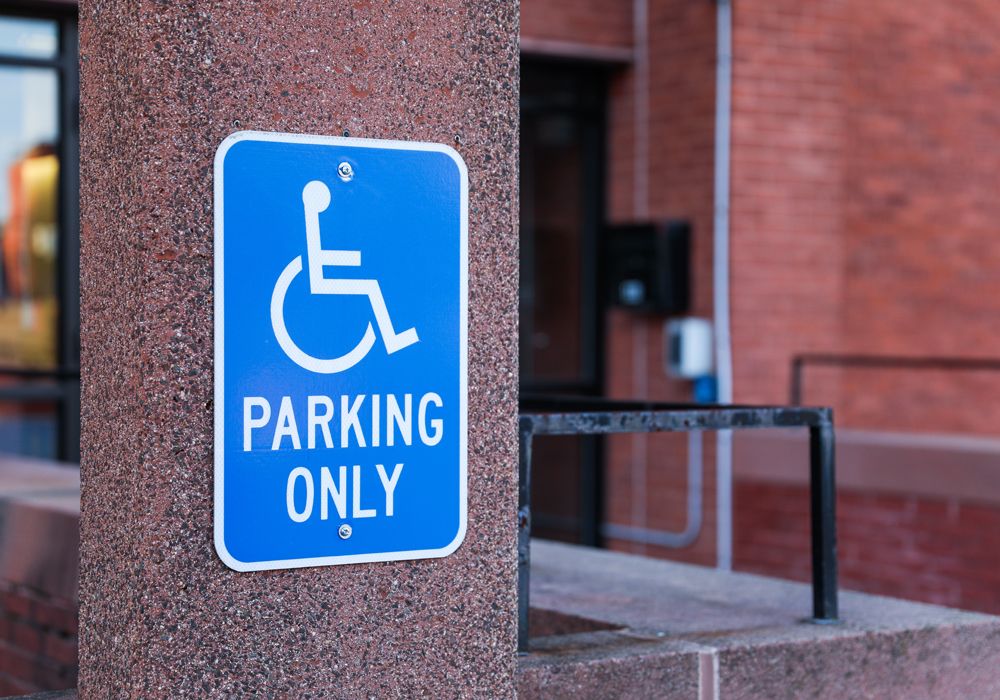
- Physical Accessibility. Your business premises should be accessible to individuals with disabilities. At minimum, your business should offer accessible parking spaces, ramps or lifts for entrances (where needed), wide doorways and aisles, accessible restrooms, and clear signage with braille and raised lettering.
- Effective Communication. Ensure your business communicates effectively with individuals who have hearing, vision, or speech impairments. This may involve providing sign language interpreters, assistive listening devices, or written materials in alternative formats.
- Reasonable Modifications. Be prepared to make reasonable modifications to your policies, practices, and procedures to accommodate customers with disabilities. Allowing service animals, providing extra time for transactions, or offering alternative payment methods; all are simple ways to make your business more accessible to all.
- Website Accessibility. If you have a website, it should be accessible to individuals with disabilities (see our Accessibility Statement for information on our website's accessibility committment). You should follow web accessibility guidelines to ensure that people using assistive technologies can navigate and interact with your content.
Getting Started with ADA Compliance
Feeling a bit overwhelmed? We're here to help! Here's a step-by-step approach to get you started:
- Assess Your Space. Take a real look at your physical space. Look for any potential barriers to access, such as narrow doorways, steps, or inaccessible restrooms.
- Consult Resources. The ADA website provides comprehensive information and resources for businesses. The ADA National Network offers free technical assistance and can help you understand specific requirements.
- Develop a Plan. Create a plan for addressing any accessibility issues you identify. Prioritize changes based on their impact and feasibility.
- Seek Professional Guidance. If you're unsure about certain requirements or need help with complex modifications, consider working with an accessibility specialist. They'll provide expert advice and help you develop a comprehensive plan.
- Make Modifications. Start implementing the changes you've identified, like installing ramps, widening doorways, adding grab bars, or updating your website.
- Train Your Staff. Make sure your staff (if applicable) is trained on ADA requirements and how to interact with customers with disabilities in a respectful and accommodating manner.
- Review and Update. Regularly review your accessibility practices and make updates as needed. Laws and technology are constantly changing, so stay informed.
Building a Brighter Future for All
By prioritizing ADA compliance, you're not just meeting legal requirements - you're creating a business that values diversity and equal opportunity. You're opening your doors to a wider audience and building a reputation as a company that cares.
Remember, accessibility is an ongoing process. It involves continuously evaluating your practices, seeking feedback from customers, and adjusting as needed. By embracing this mindset, you're not only complying with the law, but you're also creating a brighter future for your business and for everyone who walks through your doors.
Mobility Mart Is Your Partner in Accessibility
Mobility Mart is committed to helping businesses create accessible and welcoming environments. We offer a wide range of products designed to enhance accessibility, from ramps and lifts to grab bars and assistive technology. Our team of experts can provide guidance and support as you address ADA considerations and make informed decisions about the solutions that best fit your business's needs. Need help? Reach out to our knowledgeable team today!

FAQs
I'm just starting out. Do I really need to worry about ADA compliance right away?
Absolutely! It's much easier and more cost-effective to incorporate accessibility into your initial design and planning than to try to retrofit later. Plus, demonstrating your commitment to inclusivity from the get-go can build goodwill with customers and create a positive brand image.
My storefront is historic. Do I still have to make it fully accessible?
A: While historic buildings may have some leeway due to their unique features, you still have a responsibility to make reasonable accommodations. This might mean providing alternative access points, assistive technology, or other solutions that maintain the building's character while ensuring accessibility.
What are the potential consequences of not complying with the ADA?
Non-compliance can lead to complaints, investigations, and even lawsuits. You could face fines, legal fees, and damage to your business's reputation. It's far better to proactively address accessibility than to deal with the negative consequences of ignoring it.
Are there any tax incentives or financial assistance programs available to help with ADA compliance?
Yes! The IRS offers tax credits and deductions for small businesses that make accessibility improvements. Also, some state and local governments may have grant programs or other financial assistance options available. It's worth researching what resources might be available in your area.
View or download IRS Form 8826: Disabled Access Credit


