
We all move through the world in our own unique way. Some of us stride confidently, others rely on a trusty cane for support, and some navigate their environment with the assistance of a wheelchair. Understanding how different mobility levels impact accessibility needs is key to creating inclusive spaces where everyone feels welcome and empowered.
Here's a closer look at how different mobility levels can shape the accessibility solutions we need:

Walking Unaided: Subtle Support for Smooth Sailing
Even if you're walking without assistance, certain features can make your experience smoother and more enjoyable. Wider doorways and hallways, lever-style door handles (instead of knobs), and well-lit pathways can all contribute to a more comfortable environment. Consider the little things that can make a big difference, like grab bars strategically placed in bathrooms or kitchens, non-slip flooring, and chairs with armrests for easy sitting and standing.
Threshold ramps are also a great investment in accessibility, even for those who are fully mobile. Those seemingly small bumps between doorways or room transitions can be surprisingly tricky to navigate, especially when carrying groceries, pushing a stroller, or walking with a slight limp. A threshold ramp can bridge these gaps seamlessly, preventing stumbles and creating a smooth, uninterrupted flow throughout your home.
Accessibility isn't just about ramps and lifts - it's an overarching goal, and one that involves creating spaces that are easy to navigate and use for everyone, regardless of their mobility level.

Walking with a Cane: Steady Support for Added Confidence
For those who rely on a cane for support, stability and balance are paramount. Grab bars and threshold ramps become even more critical, especially in bathrooms and along staircases. Handrails should be installed at a comfortable height and extend beyond the top and bottom steps for added security. Consider adding ramps or lifts to overcome any steps or raised thresholds.
Think about your cane's reach and ensure that light switches, thermostats, and other controls are within easy reach. Furniture should be arranged to provide ample space for maneuvering with a cane, and clutter should be kept to a minimum to prevent tripping hazards.
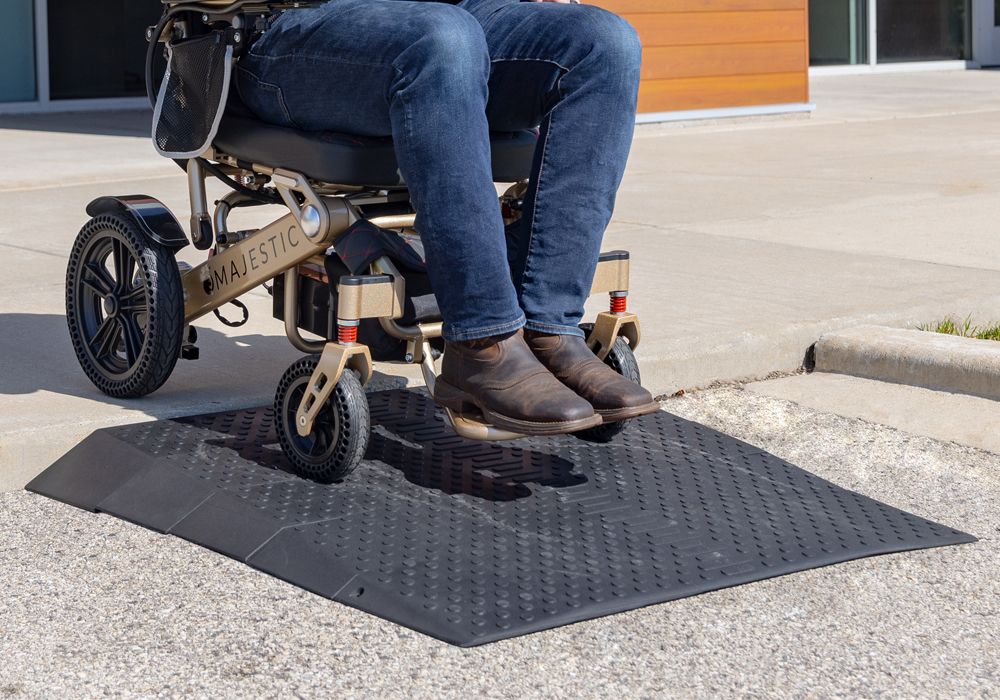
Using a Wheelchair: Removing Barriers to Freedom
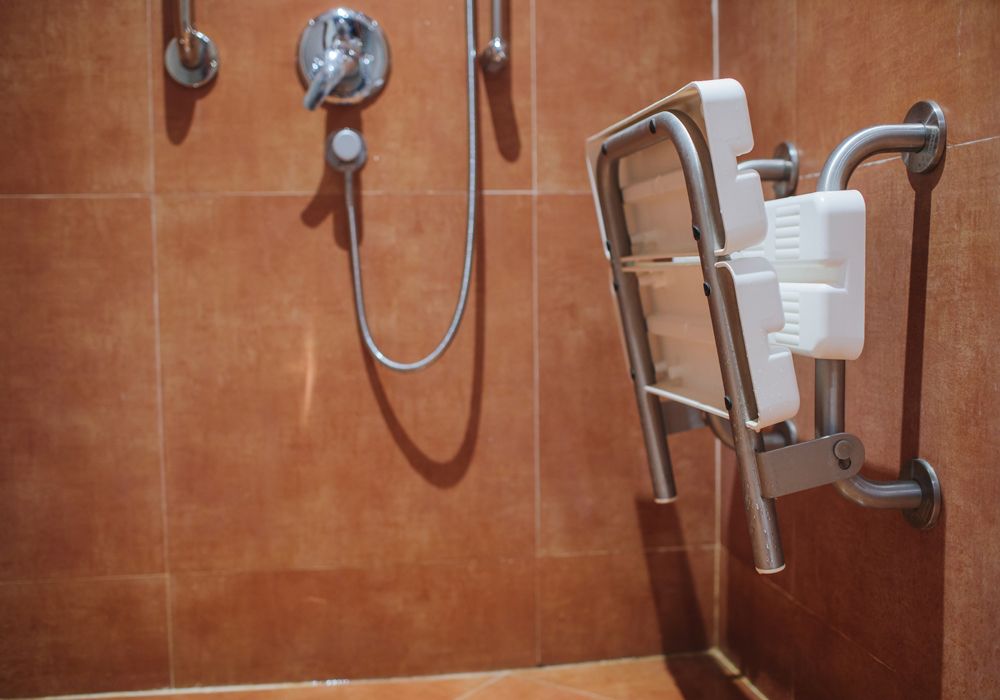
For wheelchair users, accessibility takes on a whole new dimension. Wheelchair ramps become essential for entering and exiting buildings, and doorways need to be wide enough to accommodate a wheelchair's turning radius. Bathrooms should have roll-in showers or accessible bathtubs, grab bars, and toilets with adequate space for side transfers.
Flooring should be smooth and level, with no abrupt transitions or thresholds. Countertops and tables should be at a wheelchair-accessible height, and appliances should be within easy reach. You may even consider adding a lift to your vehicle to make transportation easier, and research accessible transportation options in your community.
Adapting to Changing Needs Is a Lifelong Journey
It's important to remember that mobility levels can change over time. Injuries, illness, or simply the natural aging process can affect how we move through the world. That's why it's crucial to choose solutions that are adaptable and can evolve with your changing needs.
For example, if you're currently walking unaided but anticipate needing a cane or walker in the future, choose a home with wide doorways and hallways that can accommodate assistive devices. If you're installing a ramp, make sure it has a gentle slope and adequate width for future wheelchair use.
Understanding Universal Design
The concept of Universal Design is a powerful approach to accessibility. It involves creating spaces and products that are usable by people of all ages and abilities, without the need for adaptation or specialized design. Think of curb cuts on sidewalks—they were originally designed for wheelchair users, but they benefit everyone, from parents pushing strollers to delivery people hauling packages.
By embracing Universal Design principles, we can create environments that are not only accessible but also more comfortable, convenient, and enjoyable for everyone. Think wider doorways, lever-style handles, well-lit spaces, and intuitive controls that can be easily operated by people with diverse abilities.
We're Here to Help on Your Path to Accessibility
Whether you're walking unaided, using a cane, or navigating the world in a wheelchair, we understand that your accessibility needs are unique. Our team of experts can guide you through the process of choosing the right mobility aids, ramps, lifts, and home modifications to create a space that supports your independence and enhances your quality of life. We're committed to helping you find the perfect solutions for your individual needs and preferences.
Accessibility empowers you to live your life on your terms, to pursue your passions, and to fully participate in your community. At Mobility Mart, we're here to support you on this journey, every step of the way.


