
10 Bathroom Safety Measures That Make the Biggest Impact
Navigating daily routines can bring unexpected challenges when a loved one experiences a change in mobility. The bathroom, in particular, often presents hidden hazards due to wet surfaces, hard fixtures, and the frequent need to transition from standing to sitting. Enhancing bathroom safety for seniors or individuals who use mobility devices is a profound act of care. It provides not only physical protection but also the emotional comfort of maintaining independence and dignity. These safety upgrades are especially important because falls remain one of the leading causes of injury among older adults. According to the CDC, more than 1 in 4 adults age 65 and older report falling each year, resulting in millions of injuries annually.
Creating a secure environment does not have to be an overwhelming or stressful process. With a thoughtful approach and the right bathroom mobility aids, you can transform a standard bathroom into a safe, accessible, and welcoming space. Whether you are operating on a tight budget or looking for long-term accessibility investments, there are practical steps you can take today to prevent falls and build confidence.
Here are ten comprehensive bathroom safety measures to guide you in creating a secure and comfortable space for your loved one.
1. Choose and Install the Right Shower Grab Bars
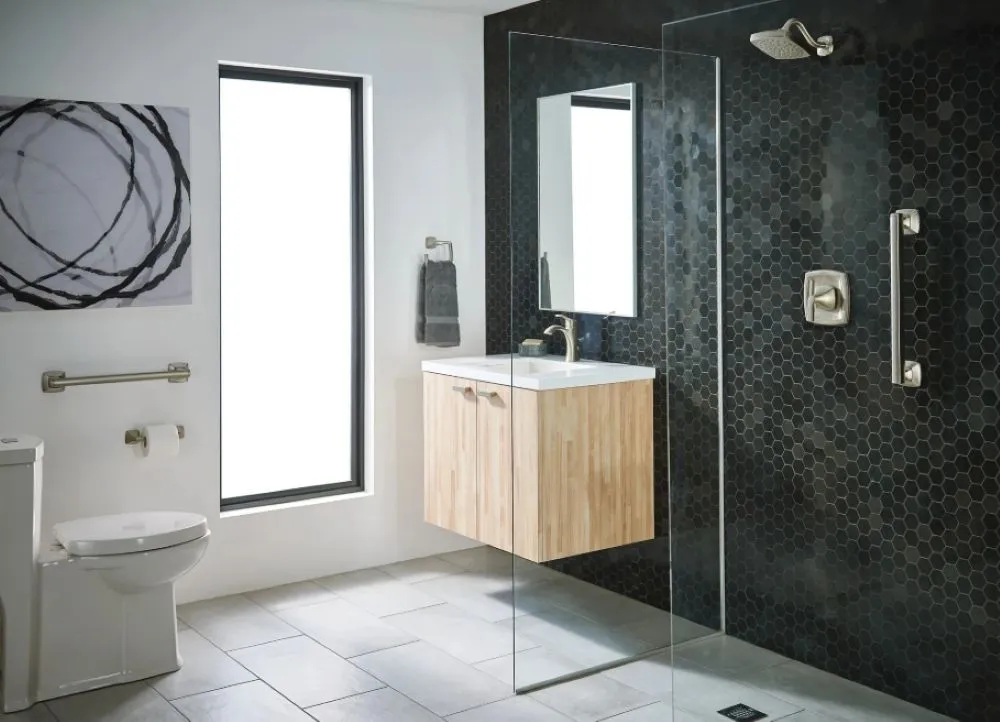
When evaluating bathroom safety, grab bars for the shower and bathtub are often the most critical first step. A simple slip can happen to anyone, but having a secure, reliable handhold makes all the difference in preventing serious falls. Choosing the right shower grab bars involves understanding materials, weight capacities, and proper placement.
Understanding the Types of Grab Bars
There are several types of shower grab bars available, each serving a specific purpose. Wall-mounted grab bars are the gold standard for bathroom safety. Because they anchor directly into the wall studs, they offer unparalleled stability and typically support a significant weight capacity (often up to 250 or 500 pounds, depending on the model). Manufacturers such as Moen Home Care offer ADA-compliant grab bars in multiple lengths and finishes, allowing caregivers to prioritize safety without making the bathroom feel institutional.
Suction cup grab bars might seem appealing due to their ease of installation and portability. However, they are designed only to assist with balance, not to support full body weight. If an individual loses their footing and pulls with their full weight, suction cups can easily detach from the wall. For long-term peace of mind and genuine safety, hardware-mounted bars are highly recommended.
Optimal Placement and Positioning
Proper placement of shower grab bars is just as important as the bars themselves. A well-placed bar helps individuals step in and out of the tub safely and provides support while standing or sitting.
- Vertical Grab Bars: Placing a vertical bar at the entrance of the shower or tub assists individuals as they step over the threshold. It offers a continuous grip at varying heights.
- Horizontal Grab Bars: A horizontal bar along the side wall of the tub or shower helps individuals safely maneuver inside the space.
- Angled Grab Bars: Installing a bar at an angle can accommodate both sitting and standing positions, providing ergonomic support tailored to the individual's natural reach.
Installation Considerations
Installing wall-mounted grab bars requires securing the hardware directly into wood studs. If studs are not located where you need the bar, specialized heavy-duty toggle anchors designed specifically for grab bars can be used. If you are unsure about the installation process, hiring a professional or consulting with an occupational therapist ensures the bars are positioned securely and exactly where they will be most effective.
2. Invest in a Sturdy, Slip-Resistant Shower Chair or Transfer Bench
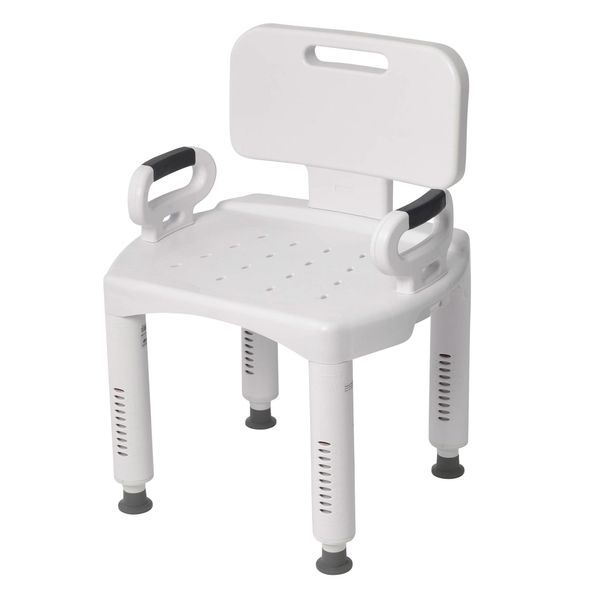
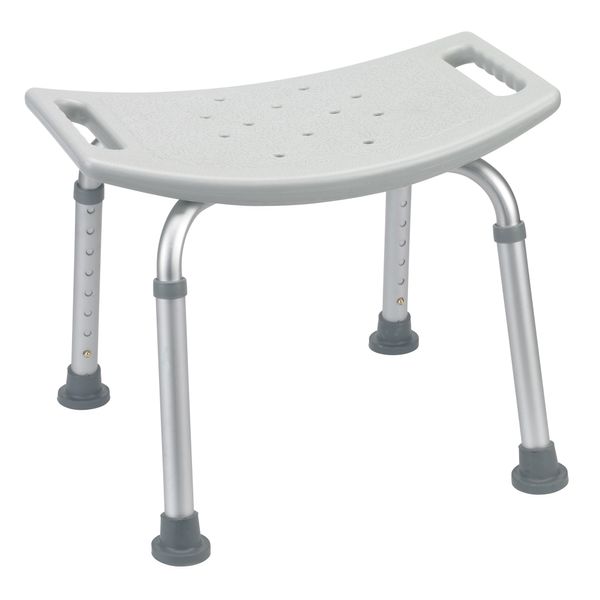
Standing in the shower for extended periods can cause fatigue, dizziness, or loss of balance for people with limited mobility. Introducing a shower chair or transfer bench allows individuals to bathe while seated, significantly reducing the risk of slipping.
Shower Chairs vs. Transfer Benches
Understanding the difference between these bathroom mobility aids will help you choose the right solution for your specific space and needs.
- Shower Chairs: These are designed to sit entirely inside the bathtub or shower stall. They typically feature a backrest, armrests, and height-adjustable legs. A shower chair is ideal for individuals who can safely step over the tub wall but need to sit while washing. When selecting a shower chair, ensure it has non-slip rubber tips on the legs to prevent sliding on wet surfaces. For example, the Drive Medical Deluxe Series Shower Chair includes adjustable legs, supportive armrests, and non-slip feet designed to improve stability on wet bathroom floors. Models with removable arms and backs can also adapt as mobility needs change over time. Look for rust-resistant materials like aluminum or heavy-duty plastic, and check the weight capacity to ensure it safely accommodates your loved one.
- Transfer Benches: A transfer bench is wider than a shower chair and is designed to straddle the side of the bathtub. Two legs rest inside the tub, and two legs sit outside on the bathroom floor. This design allows an individual to sit down on the bench outside the tub, safely swing their legs over the tub wall, and slide across the bench into the bathing area. Transfer benches are a remarkable solution for those who find stepping over a high tub wall challenging or unsafe. A sliding transfer bench can further simplify this process by minimizing twisting and lifting motions during transfers. Mobility-focused models such as the Drive Medical Safety Shower Tub Bench are specifically designed to help users move safely across the tub threshold while remaining seated.
Key Features to Look For
When evaluating seating options, prioritize features that enhance both comfort and safety. Drainage holes in the seat prevent water pooling, which can make the surface slippery. Tool-free assembly options are helpful for caregivers setting up the equipment. Additionally, padding can offer extra comfort for individuals prone to skin breakdown.
3. Upgrade to a Raised Toilet Seat with Support Frames
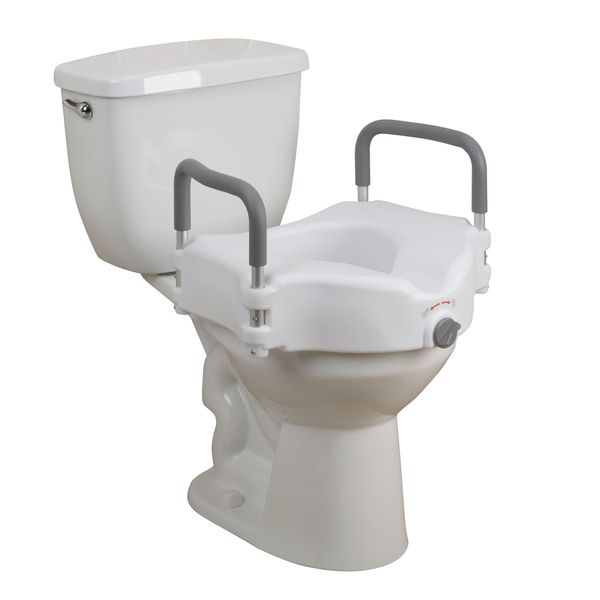
The transition from sitting to standing—especially from a low surface—requires significant lower body strength and balance. Standard toilets are often too low, creating a potential fall hazard. A raised toilet seat and specialized toilet aids can make this daily routine significantly easier and safer.
Elevating the Seating Surface
A raised toilet seat simply attaches over the existing toilet bowl, adding several inches of height. This reduces the distance an individual must lower themselves and makes standing back up much easier. Some raised seats bolt directly to the toilet for maximum stability, while others feature clamping mechanisms. Products like the Drive Medical Elevated Raised Toilet Seat raise the seating surface by five inches and include removable support arms that help users sit and stand with greater confidence and stability.
Adding Support Frames
While a raised seat addresses the height issue, adding a toilet safety frame provides necessary upper body support. These frames feature sturdy armrests on either side of the toilet, allowing individuals to push themselves up safely. For tight spaces or varying needs, you can find combined units that feature both the raised seat and integrated padded armrests.
When selecting these toilet aids, measure the existing toilet (round vs. elongated) to ensure a proper fit. Verify the weight capacity of the seat and frame, and routinely check that all clamps and bolts remain tightly secured.
4. Implement High-Quality Non-Slip Mats and Flooring Solutions
Wet, slippery floors are the most common cause of bathroom falls. Implementing comprehensive non-slip strategies both inside the bathing area and on the main bathroom floor is a foundational aspect of bathroom safety for seniors.
Inside the Bathtub or Shower
Traditional smooth enamel or acrylic tub surfaces become incredibly slick when mixed with water and soap. To counteract this, place a high-quality non-slip mat inside the tub. Ensure the mat features hundreds of strong suction cups on the bottom to anchor it firmly to the tub floor. The top surface should have a textured, anti-slip design.
Alternatively, you can apply adhesive anti-slip strips or treads directly to the bottom of the tub. These provide a more permanent, slip-resistant surface that doesn't need to be removed and cleaned as frequently as a bath mat.
Outside the Bathtub
Stepping out of the shower with wet feet onto tile or linoleum is highly dangerous. Replace standard, lightweight bathroom rugs with heavy-duty, non-skid bath mats. Standard rugs can easily bunch up, creating a tripping hazard, or slide out from underfoot. A proper non-skid mat will grip the floor securely and absorb excess water.
Furthermore, keep the bathroom floor as dry as possible. Address any leaky fixtures immediately and ensure the shower curtain or door creates an effective seal to prevent water from splashing onto the floor.
5. Optimize Lighting for Better Visibility and Confidence
Vision changes naturally occur as we age, making it harder to distinguish contrast and judge depth in dim lighting. A well-lit bathroom helps individuals safely navigate the space, locate grab bars for the shower, and avoid unexpected obstacles on the floor.
Eliminating Shadows and Glare
Assess the current lighting in the bathroom. Are there dark corners or areas where shadows fall across the floor? Increase the wattage of bulbs in overhead fixtures (ensuring you do not exceed the fixture's maximum rating) and opt for bright, daylight-toned LED bulbs. While brightness is key, avoid creating harsh glare off mirrors or glossy tiles, which can be disorienting.
Navigating at Night
Nighttime trips to the bathroom are frequent and carry a high risk of falls in the dark. Install automatic, motion-sensor nightlights in the hallway leading to the bathroom and within the bathroom itself. These ensure the path is always illuminated without the need to search for a light switch in the dark. Additionally, consider swapping standard toggle light switches with illuminated rocker switches, which are easier to locate and press for individuals with limited dexterity.
6. Install Anti-Scald Devices and Manage Water Temperature
Bathroom safety extends beyond fall prevention; it also encompasses protecting sensitive skin from burns. Older adults or individuals with nerve conditions may have reduced temperature sensitivity, making them vulnerable to scalding water.
The simplest way to prevent burns is to lower the maximum temperature setting on your home’s water heater. Setting the thermostat to 120 degrees Fahrenheit (49 degrees Celsius) provides plenty of hot water for comfortable bathing while significantly reducing the risk of scalds.
For additional protection, install anti-scald mixing valves in the shower and bathtub faucets. These devices automatically balance the hot and cold water pressure. If someone flushes a toilet or turns on the kitchen sink—which can typically cause a sudden spike in shower temperature—the anti-scald valve prevents the sudden blast of scalding water, protecting the individual and preventing a startled reaction that could lead to a fall.
7. Transition to a Handheld Showerhead for Seated Bathing
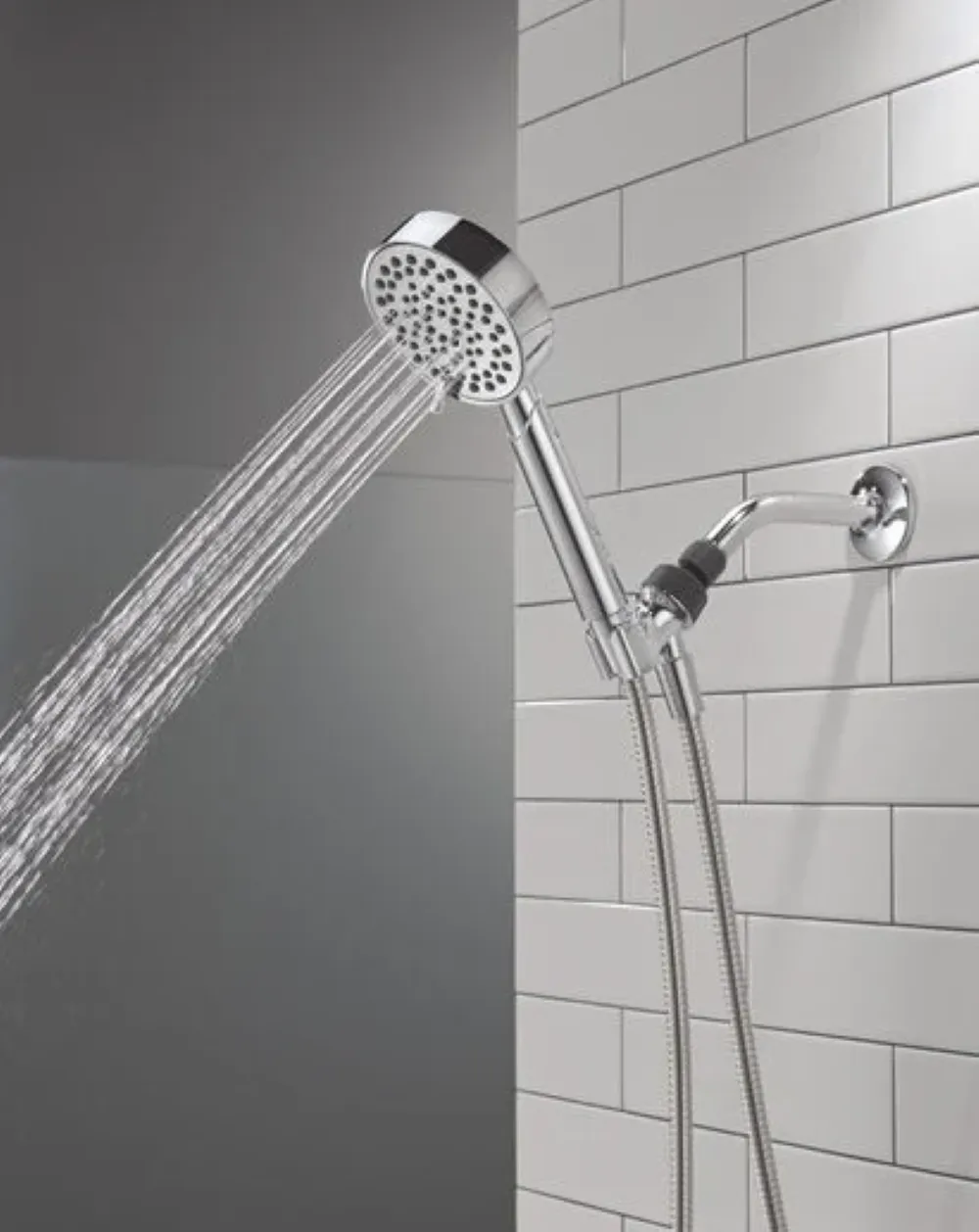
Standard fixed showerheads require the bather to maneuver their body around the water stream, which can be difficult and dangerous for those with limited mobility. Replacing a fixed showerhead with a handheld shower wand provides exceptional flexibility and control.
A handheld showerhead is an essential companion to a shower chair or transfer bench. It allows the individual to remain safely seated while bringing the water directly to them. This eliminates the need to stand, stretch, or turn awkwardly to rinse off.
When selecting a handheld showerhead, look for a model with a long, flexible hose (at least 60 to 72 inches) to ensure it reaches comfortably around the seated user. Many models feature easy-to-use push-button pause features right on the handle, allowing the user to temporarily stop the water flow while lathering without needing to reach up to the main faucet controls. Options like the Delta Handheld Shower Head Collection includes long flexible hoses and pause-control settings that make seated bathing safer and easier for both users and caregivers.
8. Keep Everyday Toiletries Within Easy Reach
Reaching up high for shampoo or bending down low to retrieve a dropped bar of soap shifts a person's center of gravity and increases the likelihood of a fall. Organizing the bathing area so that all necessities are easily accessible is a simple but effective safety measure.
Install wall-mounted soap and shampoo dispensers at a comfortable height for the user, whether they are standing or using a shower seat. This removes the need to juggle slippery bottles. If dispensers are not an option, use a rust-resistant shower caddy positioned low enough that the person does not have to stretch or stand on tiptoes.
Eliminate clutter by keeping only the daily essentials in the shower area. The fewer items there are to knock over or navigate around, the safer the environment becomes.
9. Consider a Walk-In Tub or Barrier-Free Shower for the Future
If you are planning a bathroom remodel or looking for a long-term safety solution, modifying the architecture of the bathing space provides the highest level of accessibility.
Barrier-Free Showers
A barrier-free, or zero-threshold, shower eliminates the step or curb entirely. The bathroom floor seamlessly transitions into the shower area, allowing an individual who uses a wheelchair or walker to roll directly into the shower space without encountering any obstacles. These showers can be outfitted with built-in floor-to-ceiling poles, wall-mounted folding seats, and extensive grab bars.
Walk-In Tubs
For individuals who enjoy taking baths but can no longer step over a traditional tub wall, walk-in tubs offer a safe alternative. These tubs feature a watertight door that opens close to the floor level. The user steps in, sits on a built-in contoured seat, closes the door, and then fills the tub. While they are a more significant financial investment, walk-in tubs often come with therapeutic features and provide a deeply reassuring, secure bathing experience.
10. Conduct Regular Safety Audits and Maintenance
Ensuring long-term bathroom safety for seniors requires ongoing attention. A bathroom that is safe today must be maintained to stay safe tomorrow. Slip prevention is critical because falls frequently lead to serious injuries and hospital visits. The CDC reports that older adult falls contribute to roughly 3 million emergency department visits and approximately 1 million hospitalizations every year in the United States.
Once a month, take a few minutes to conduct a safety audit. Check all shower grab bars and toilet safety frames to ensure they remain tightly fastened to the walls or fixtures. Inspect non-slip mats and floor rugs for signs of wear, replacing them if the suction cups are failing or the rubber backing is degrading.
Most importantly, keep an open dialogue with your loved one. Ask them how they feel using the bathroom mobility aids. Are they experiencing any new difficulties? As their mobility needs evolve, the bathroom environment should adapt accordingly. Being proactive rather than reactive ensures that the bathroom remains a haven of comfort and safety.
Frequently Asked Questions
How can I make my bathroom safe for seniors?
Making a bathroom safe involves a combination of removing hazards and adding supportive mobility aids. Start by eliminating clutter and lightweight rugs that cause tripping. Install ADA-compliant shower grab bars near the toilet and inside the bathing area. Use non-slip mats, provide a shower chair or transfer bench for seated bathing, and ensure the space is brightly lit with accessible switches.
Does Medicare pay for shower safety bars?
In most standard cases, Original Medicare (Part B) does not cover the cost of shower grab bars or their installation, as they are often classified as home modifications or convenience items rather than strictly "Durable Medical Equipment" (DME). However, it is always advisable to check with your specific insurance provider. Some Medicare Advantage (Part C) plans or Medicaid waiver programs may offer allowances for bathroom mobility aids or home modifications designed to keep individuals safe at home.
How common are bathtub falls?
Falls in the bathroom are incredibly common and represent a significant portion of household injuries. The combination of hard surfaces, tight spaces, and wet, slippery floors makes the bathroom one of the most hazardous rooms in the home. Implementing proper bathroom safety measures, such as installing grab bars for the shower and using slip-resistant surfaces, dramatically reduces the risk of these incidents.
What is the safest way to get in and out of a bathtub?
The safest method depends on the individual's mobility level. For those who can stand, using securely anchored wall-mounted grab bars for balance while stepping over the tub wall is highly effective. For individuals who struggle with balance or lifting their legs, using a transfer bench is the safest method. The individual sits safely on the portion of the bench outside the tub, swings their legs over the threshold, and slides across into the bathing area without ever having to balance on one wet foot.


